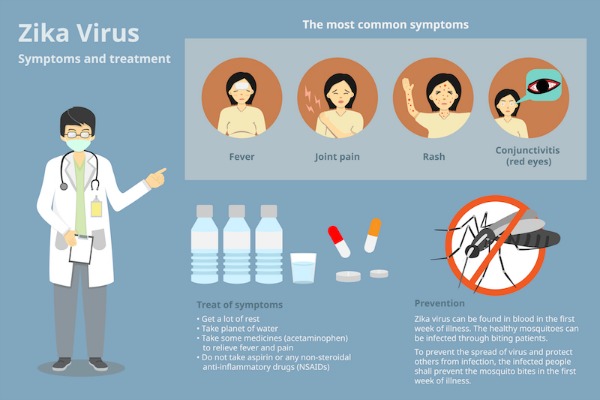
Zika Virus has, understandably, become a growing concern for families worldwide. The Olympic Games happening in Rio this summer is bringing a lot of attention to the frightening virus, with news outlets reporting fears for athletes, reporters, and tourists alike to the potential exposure they face traveling to Brazil.
The virus quickly migrated to other parts of the world, causing families to worry for the potential issues that may develop facing the disease. The virus is found in some parts of the United States and has become endemic worldwide. The World Health Organization (WHO) declared issues surrounding the virus as a global public health emergency—bringing light to the problem and assuring the world that developments in science toward the prevention and vaccination of this disease are underway.
There is a lot of information people aren’t aware of when it comes to the mosquito-borne illness; and while even more that is unknown about the infection itself, but we’ve come up with a comprehensive list of facts regarding the virus, and what you can do to keep you and your family safe.
- What is Zika? Why is it so serious?
The Zika Virus derives from the same family as yellow fever, West Nile, dengue and chikungunya. Unlike those viruses, there is no vaccine to prevent Zika or medicine to treat the infection.
The reason the virus is demanding attention is because of its alarming connection to microcephaly, a neurological disorder that affects babies being born, causing abnormally small heads and underdeveloped brains, resulting in severe developmental issues and sometimes death. The virus, previously unseen in the Western hemisphere, is unwanted and has health professionals concerned.
- Where is the Zika Virus now? How is it spread?
The virus spread throughout much, if not all, of the Americas save for Canada and Chile, where the temperatures are too cold for the mosquitoes carrying the virus to survive.
This does mean the virus has traveled to the United States, and while the mosquitoes carrying the disease are able to survive in the hot weather, some concerns may be relieved when winter comes around and the temperatures drop below what the mosquitoes need to survive.
Zika is spread through mosquito bites: a mosquito may bite an infected person, and spread the infection to the next person they bite. The mosquitoes carrying the Zika Virus prefer daytime over dusk-to-dawn, so be cautious of when you are outside to prevent bites.
The virus can stay in your blood for about a week and generally leaves the body within two. This means someone, even if they don’t show symptoms, may spread the virus. It’s best, especially if you’ve traveled and don’t know if you have the virus or not, to avoid mosquitoes by taking necessary precautions.
While mosquitoes carrying the virus are a concern, there is equal potential of transmitting the infections through sexual intercourse. Pregnant women should not travel to any area with Zika, and women trying to get pregnant should talk to their doctors before traveling, or before their male partner travels. Those traveling to areas with Zika should take steps during and after they travel to prevent mosquito bites and sexual transmission of Zika.
- What can I do to protect myself against Zika?
You can protect yourself from Zika the way you would from any other mosquito bite: wear long pants, long sleeve shirts thick enough to prevent mosquito bites, stay indoors, use air conditioning when possible, use screen doors or netting to keep mosquitoes away, clear any standing bodies of water or empty items that hold water like flower pots, bird baths or buckets, and use mosquito repellent.
When using mosquito repellent, make sure it is EPA-approved, and worn over sunscreen. Consumer Report’s top picks for mosquito repellent are:
- Sawyer Picaridin
- Ben’s 30% DEET Tick & Insect Wilderness Formula
- Repel Lemon Eucalyptus
If you’re using mosquito repellent on children, make sure DEET is its main active ingredient, as ingredients like lemon eucalyptus and Picaridin are not suitable for children under 3. Do not use repellent on children younger than 2 months, instead opting for covering them in light clothing, and surrounding their carrier with netting. Be sure to follow product instructions, and re-apply repellent every hour.
In terms of protection during sexual activity: Be active in your prevention. Zika can be transferred during sex with a male partner before his symptoms start, while he has symptoms, and after his symptoms end. It is unknown how long Zika can staying the infected semen of men or for how long it can be transferred to partners. It can be passed from a man to a woman in all forms of sex, oral included, but it is unknown if an infected woman can pass it to a man.
Zika infection during pregnancy can cause microcephaly, so be sure to use a condom from start to finish of all sexual activity, oral sex included, or abstain from sex during your pregnancy.
- What is being done to stop Zika?
CDC and private companies are all working to develop tests that accurately detect Zika virus, medication to treat symptoms, and a vaccine to prevent infection altogether. Finding answers in dealing with Zika is a priority and development is progressing as quickly as standards will allow. Learning about Zika, its effects, and how to fight it are of huge importance and it is taking precedence due to its quickly growing status.
- I think I may have Zika. What should I do?
Many people infected with Zika virus won’t have symptoms or will only have mild symptoms. The most common symptoms of Zika are:
- Fever
- Rash
- Joint pain
- Conjunctivitis (red eyes)
Other symptoms include:
Symptoms are usually mild and last several days to a week. Symptoms are often not severe enough for people experiencing symptoms to go to the hospital. For this reason, many people may not realize they have been infected.
Zika can stay in the blood of an infected person for about a week. See your doctor or healthcare provider if you develop symptoms and you live or have recently traveled to an area with Zika. Your doctor may order blood tests. This is especially important for women who are pregnant or who are planning on becoming pregnant.
– – –
To help ease your mind, think of it this way: you’ll prevent contracting Zika in the same way you’d prevent contracting West Nile in Wyoming – stay active in preventing your exposure to mosquito bites and see your doctor if you have any concerns about having contracted the virus.
It is important to know that once a person has been infected, he or she is likely to be protected from future infections. Keep your awareness on staying safe and continue enjoying the warm weather as you otherwise would.
Sources:
http://www.bbc.com/news/health-35370848
https://www.cdc.gov/zika/
http://www.cnn.com/2016/01/26/health/zika-what-you-need-to-know/
http://www.consumerreports.org/cro/health/beauty-personal-care/insect-repellent/insect-repellent-ratings/ratings-overview.htm
http://blogs.cdc.gov/cdcdirector/2016/02/01/cdc-director-what-were-doing-about-the-zika-virus/
https://www.cdc.gov/zika/symptoms/


 Surrogacy - Your Body, My Baby
 Writing your Egg Donor Goodwill Message
 Surprising Facts About Egg Donors
 How a Doula can Provide Additional Support for a Surrogate Mother and Intended Parents
 Telling your Child about their Birth via Surrogacy
 May 2017